
Before & After
Real cases from The Bonding Studio
All cases shown were completed at The Bonding Studio. Images have not been altered other than cropping. Results vary between patients and depend on individual circumstances.
Chipped & Worn Edges
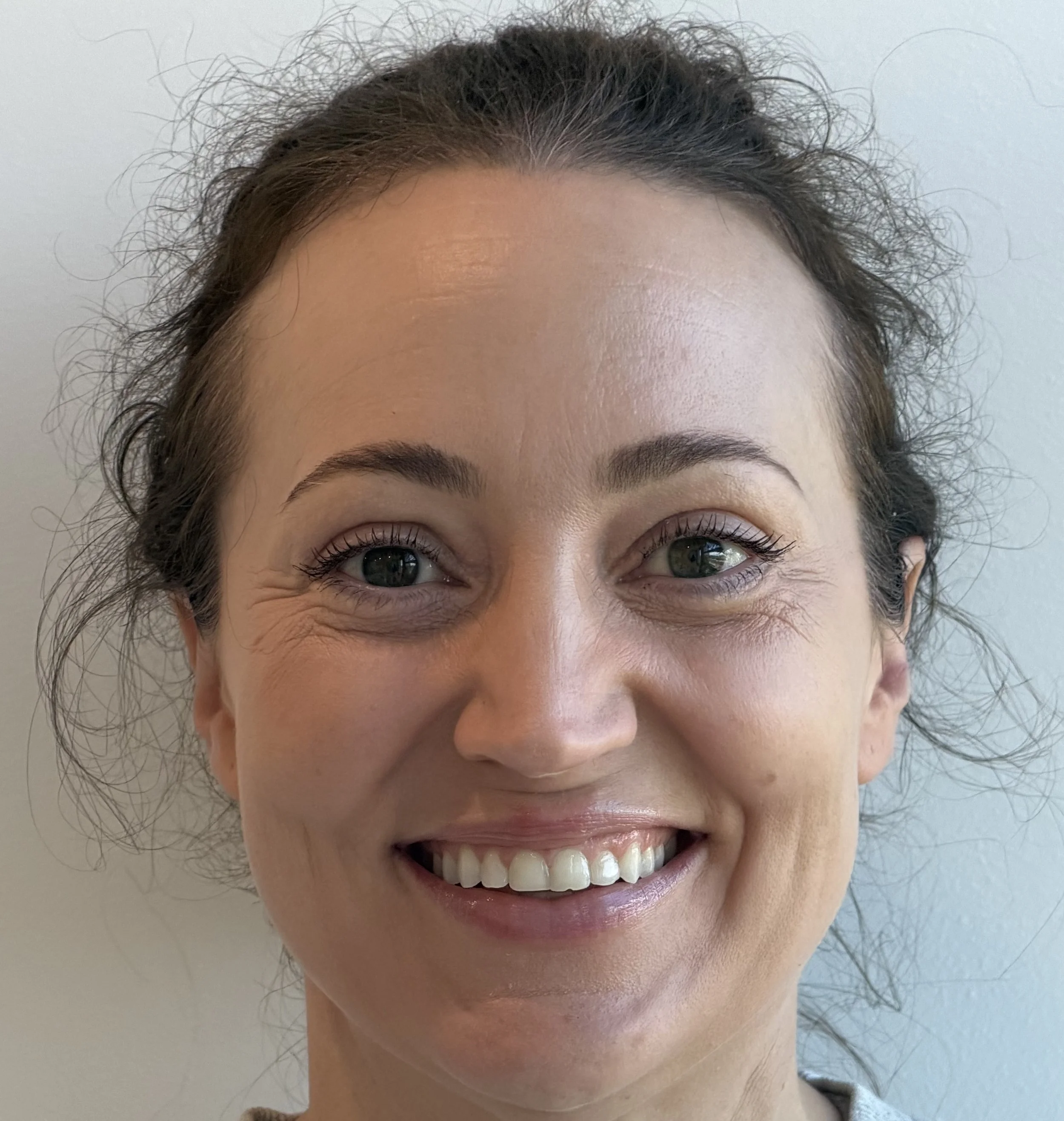
Before
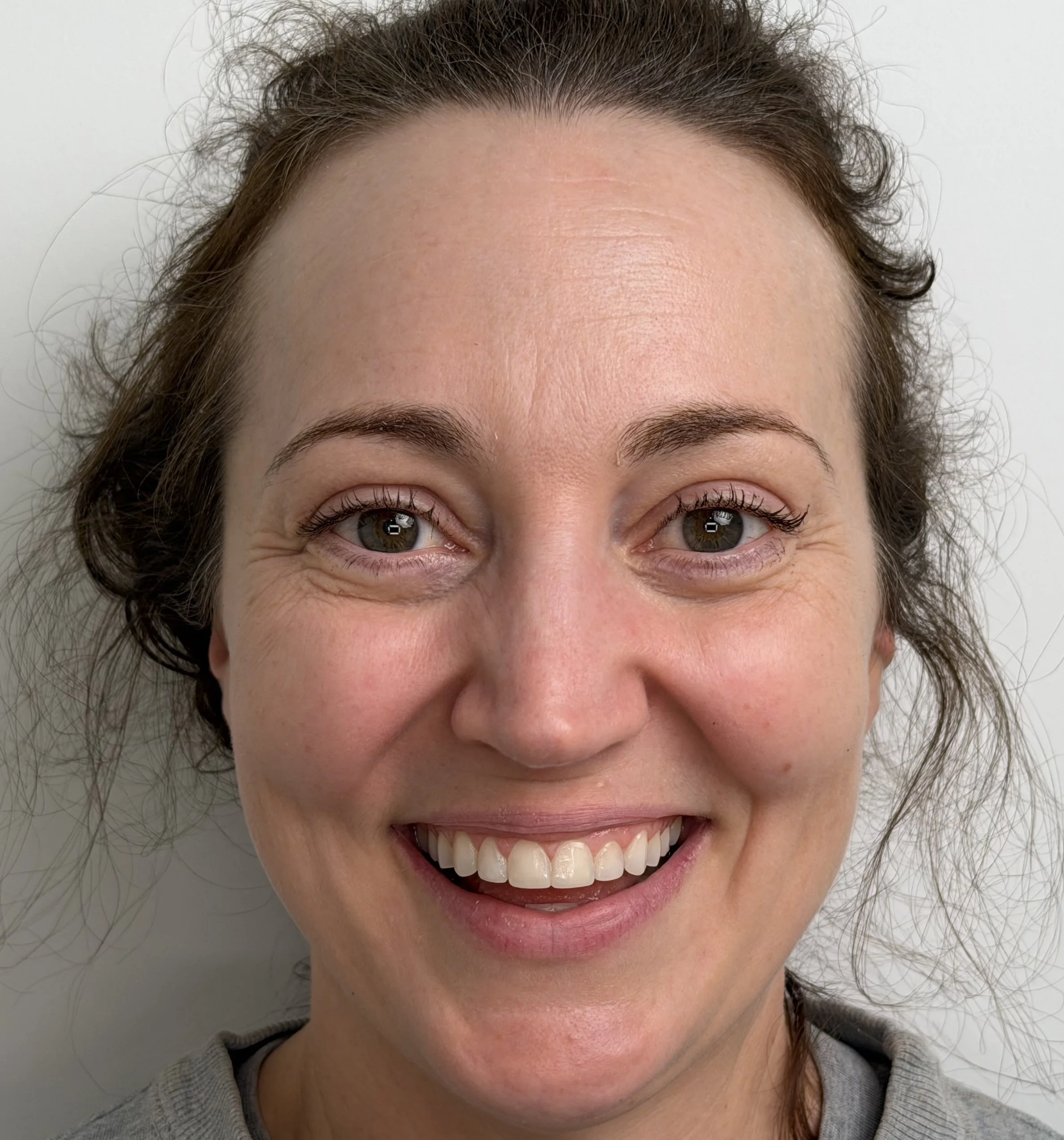
After
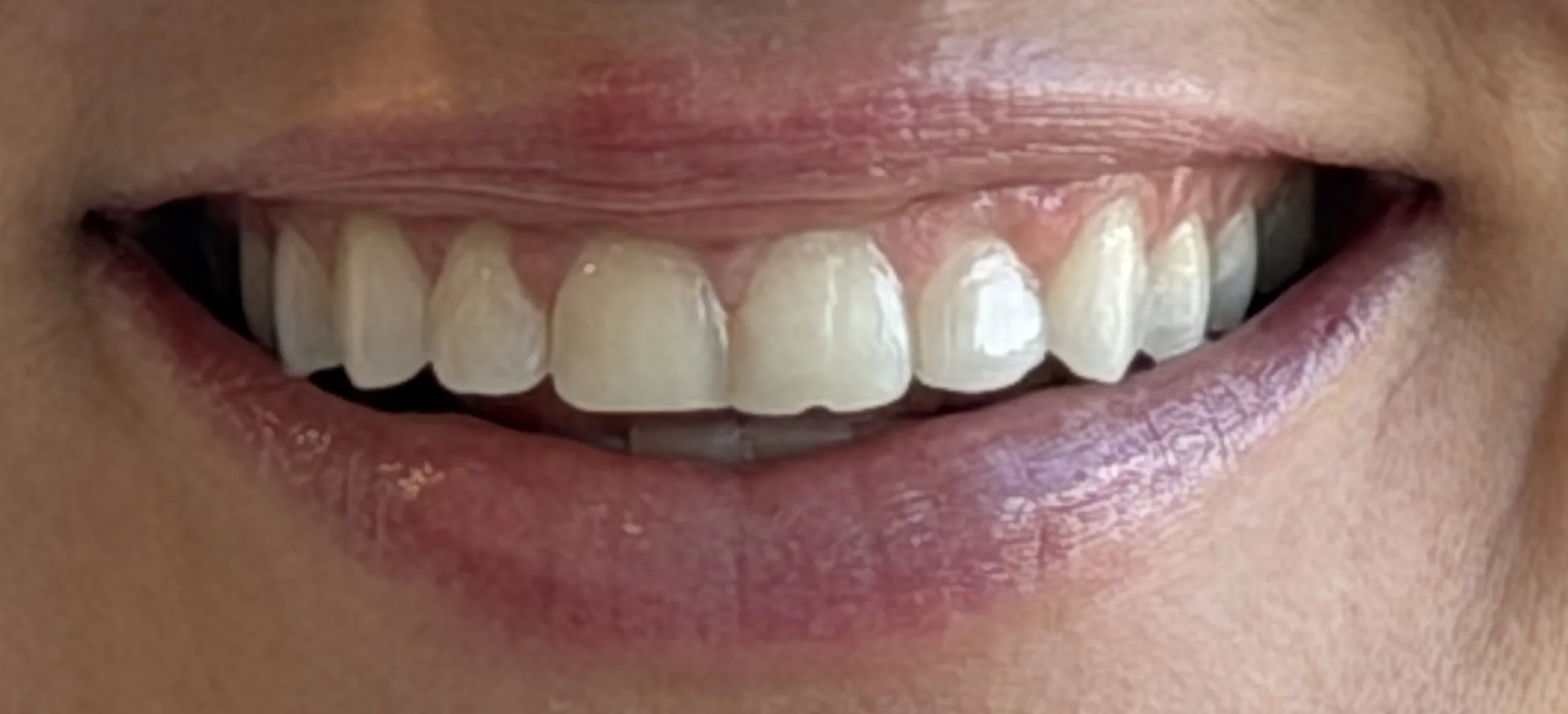
Before
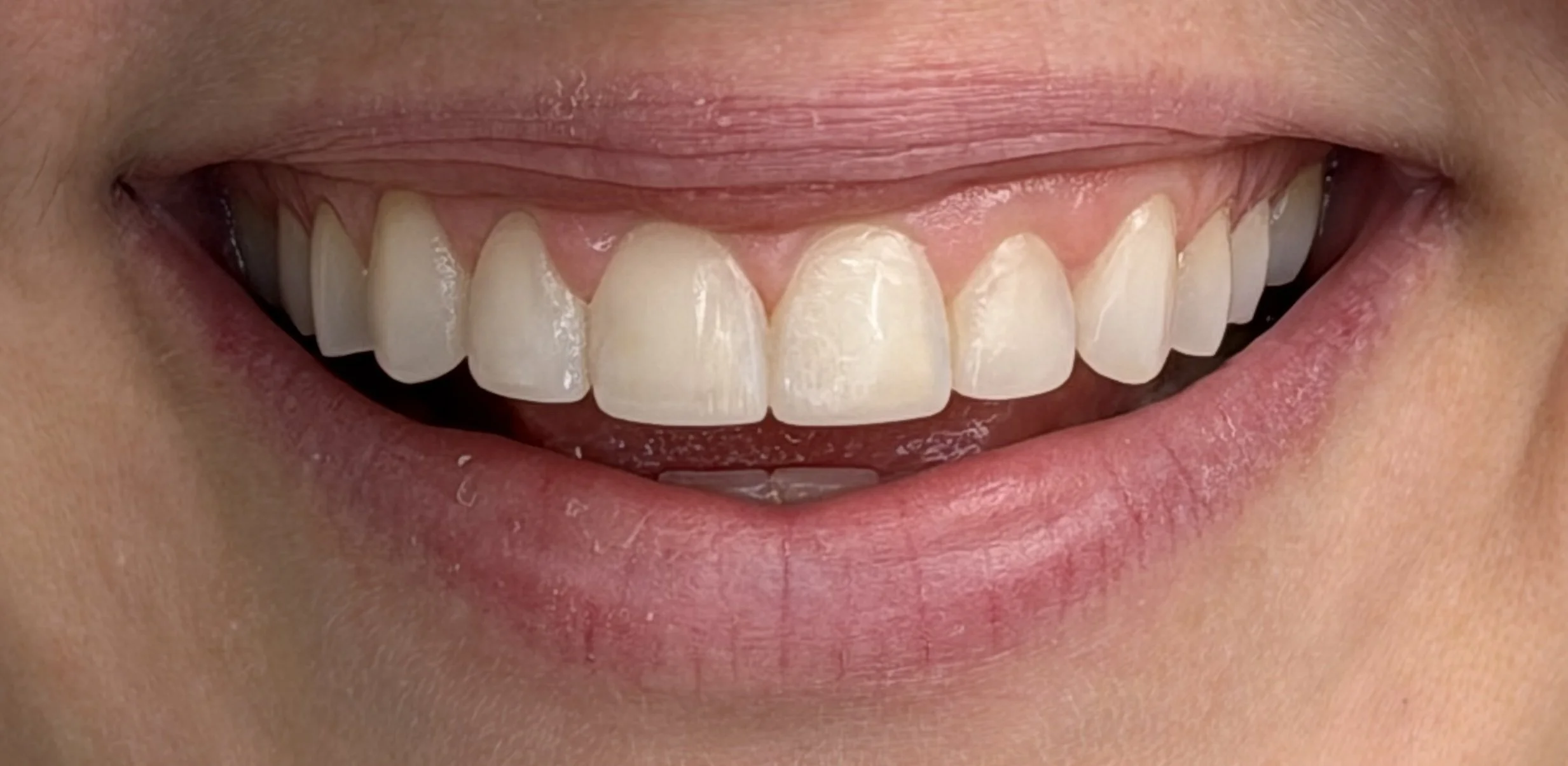
After
Starting Point
The patient’s main concerns were worn, uneven front edges and asymmetry across the smile. There were also natural differences in tooth shape from one side to the other, along with an existing restoration in one of the front teeth.
Approach
The aim was to rebuild the worn edges and improve symmetry without making the teeth look overly uniform. Composite bonding was used across the six upper front teeth, working with the patient’s natural tooth shapes to keep the result balanced.
Treatment shown: Composite Bonding
Teeth treated: 6 upper front teeth
Treatment by: Dr Aimee Dunne, The Bonding Studio
After photo taken: 4 weeks post treatment
Smile Design
Mock-up
Before
After
Before
Mock-up
After
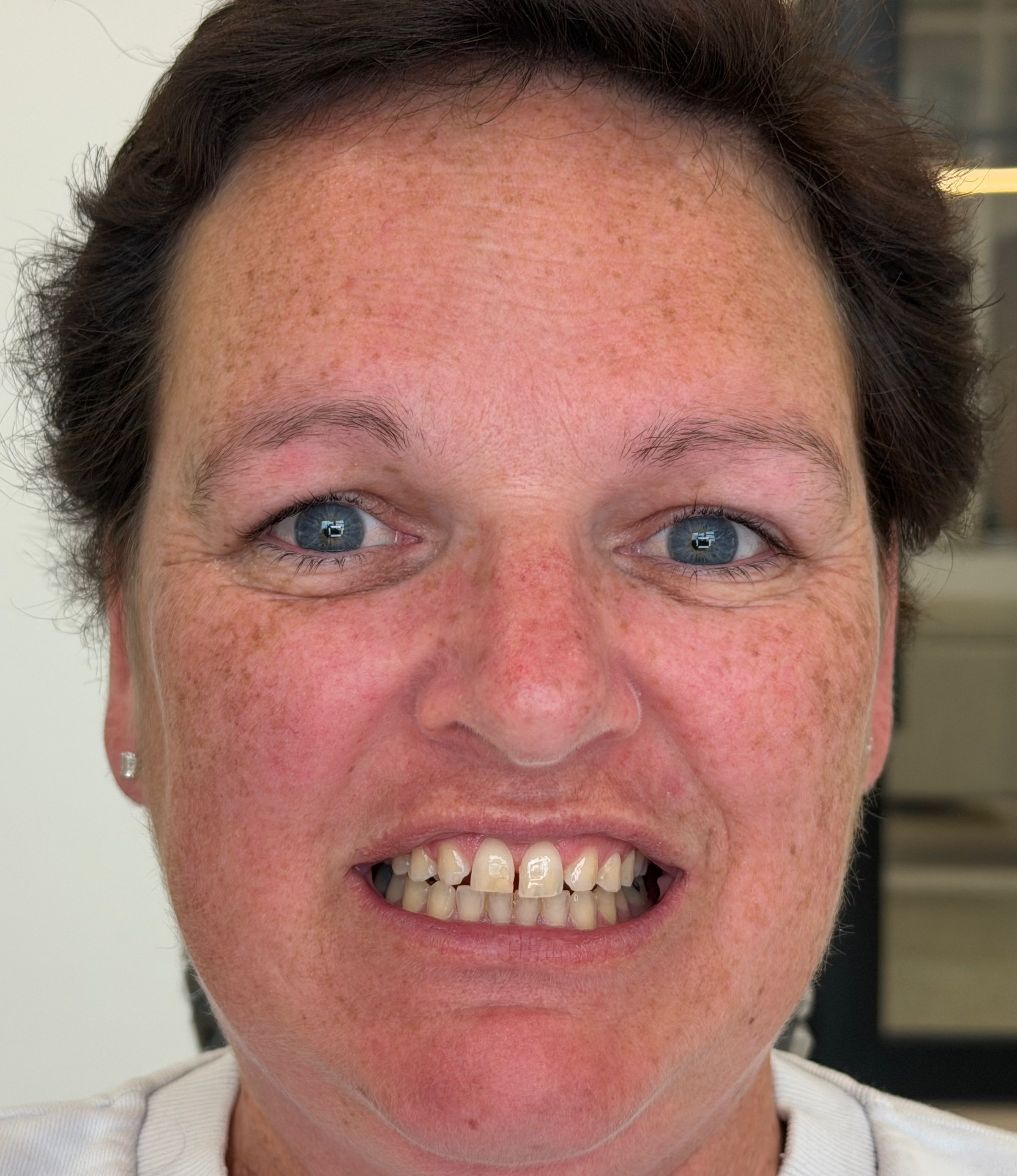
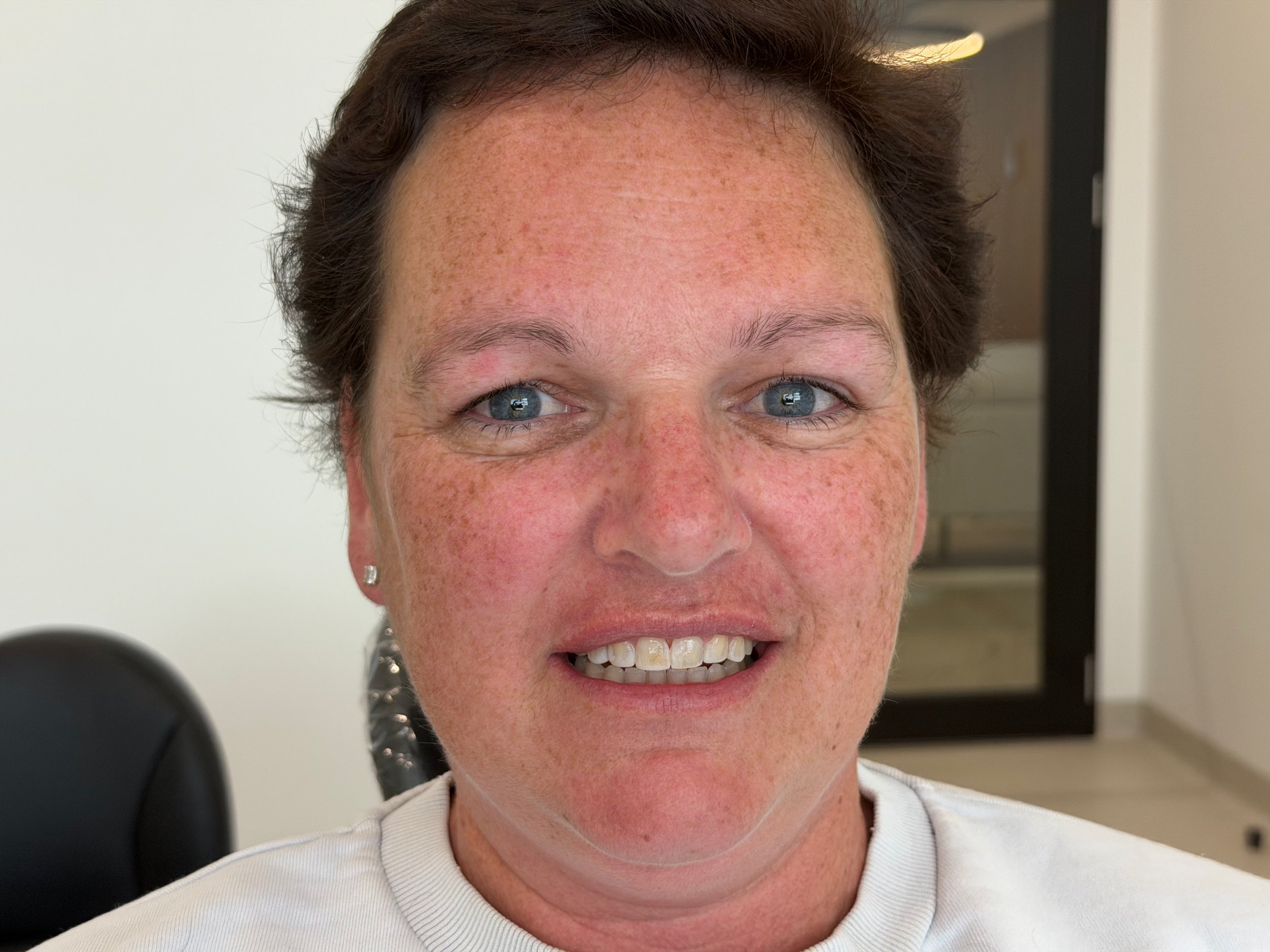
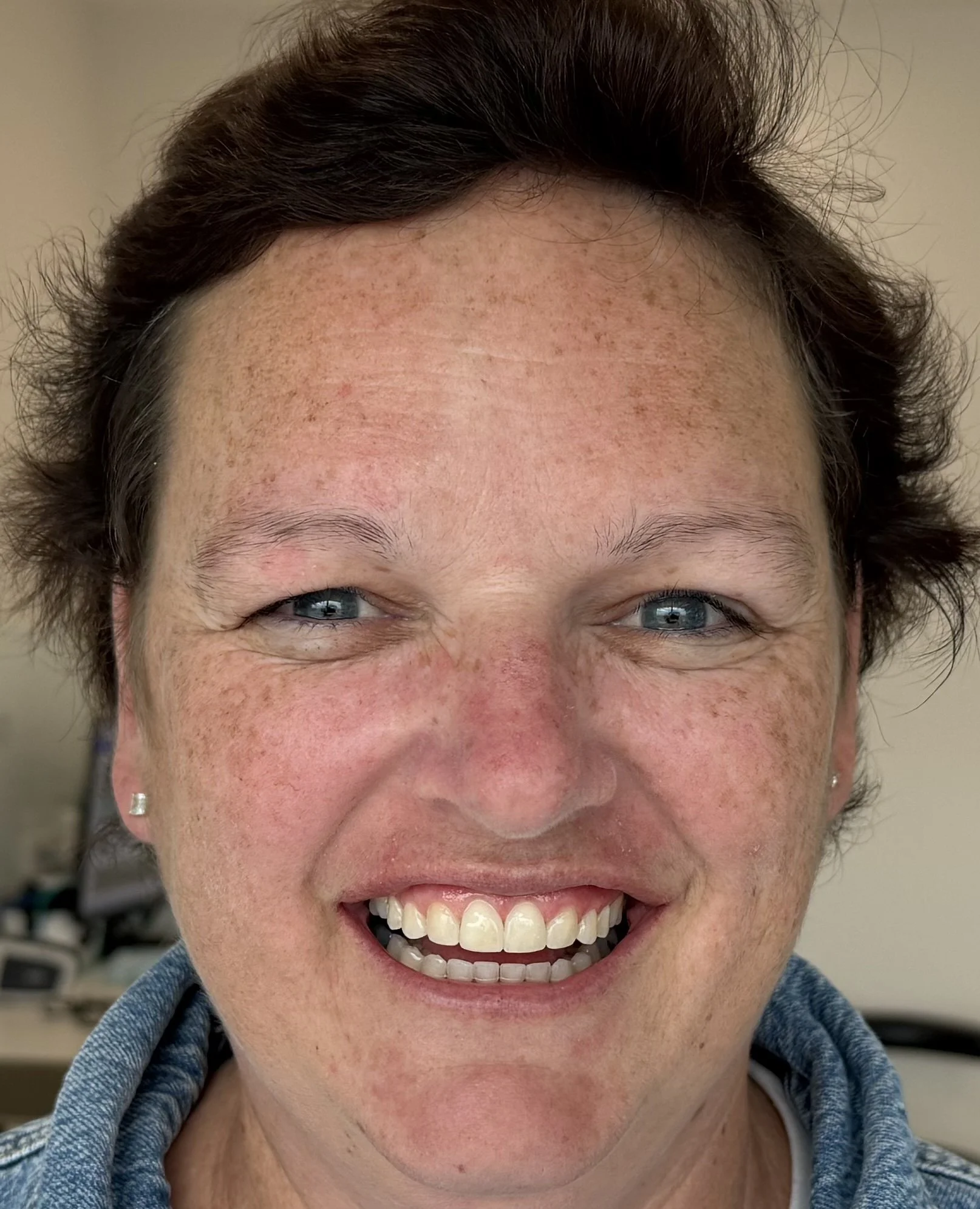
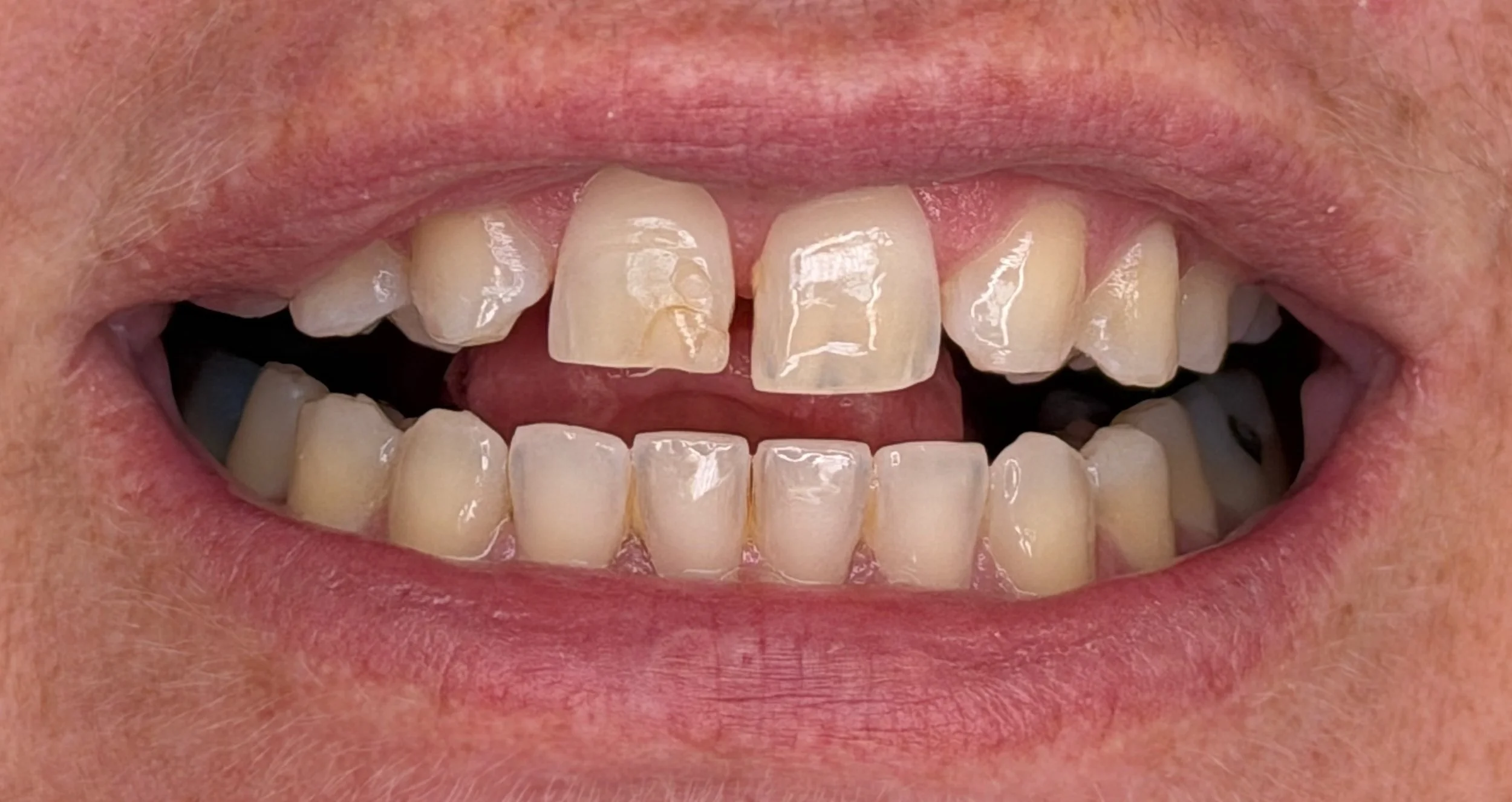
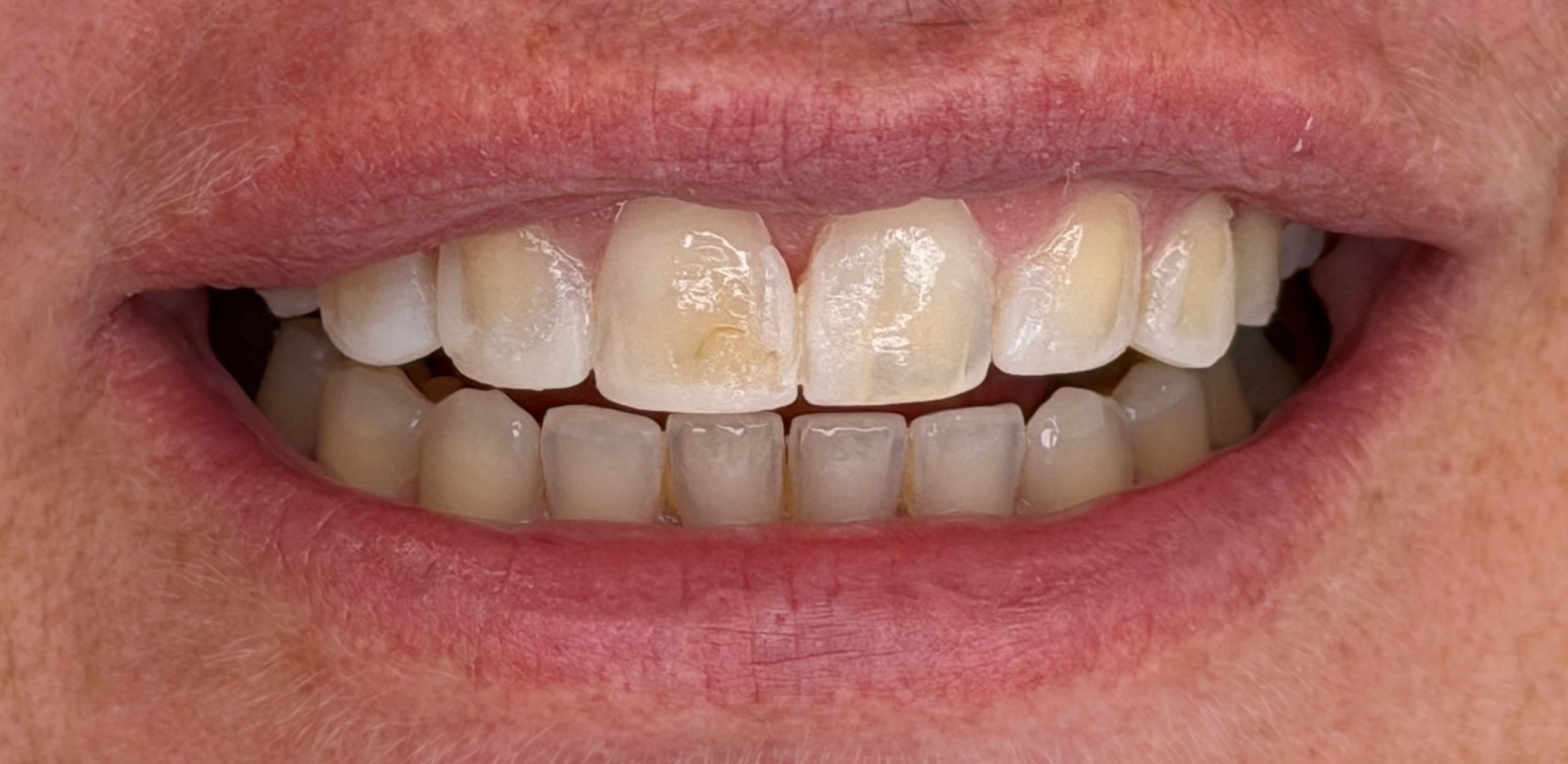
Starting Point
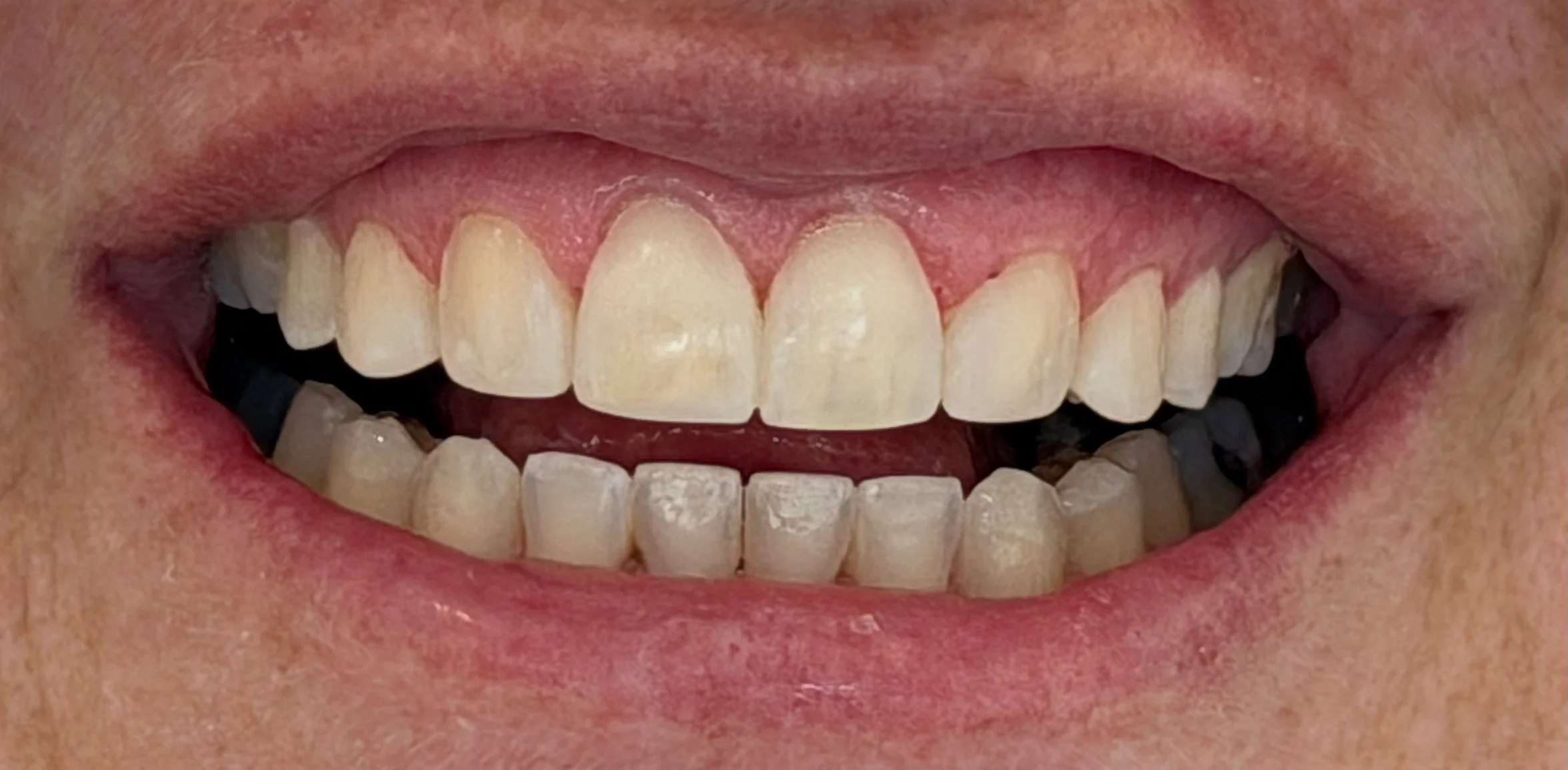
This patient had a history of dental treatment from a young age, with the upper lateral incisors missing and the canines positioned in their place. Over time, spaces had opened and the front teeth had developed some wear and chipping.
Approach
The proposed shape and proportions were tested with a mock-up before treatment. Composite bonding was then used to close the spaces, improve symmetry and reshape the surrounding teeth so the smile felt more balanced without making the teeth look oversized.
Treatment shown: Composite Bonding
Teeth treated: 6 upper front teeth
Treatment by: Dr Aimee Dunne, The Bonding Studio
After photo taken: Immediately after treatment
Small Teeth
Before
After
Starting Point
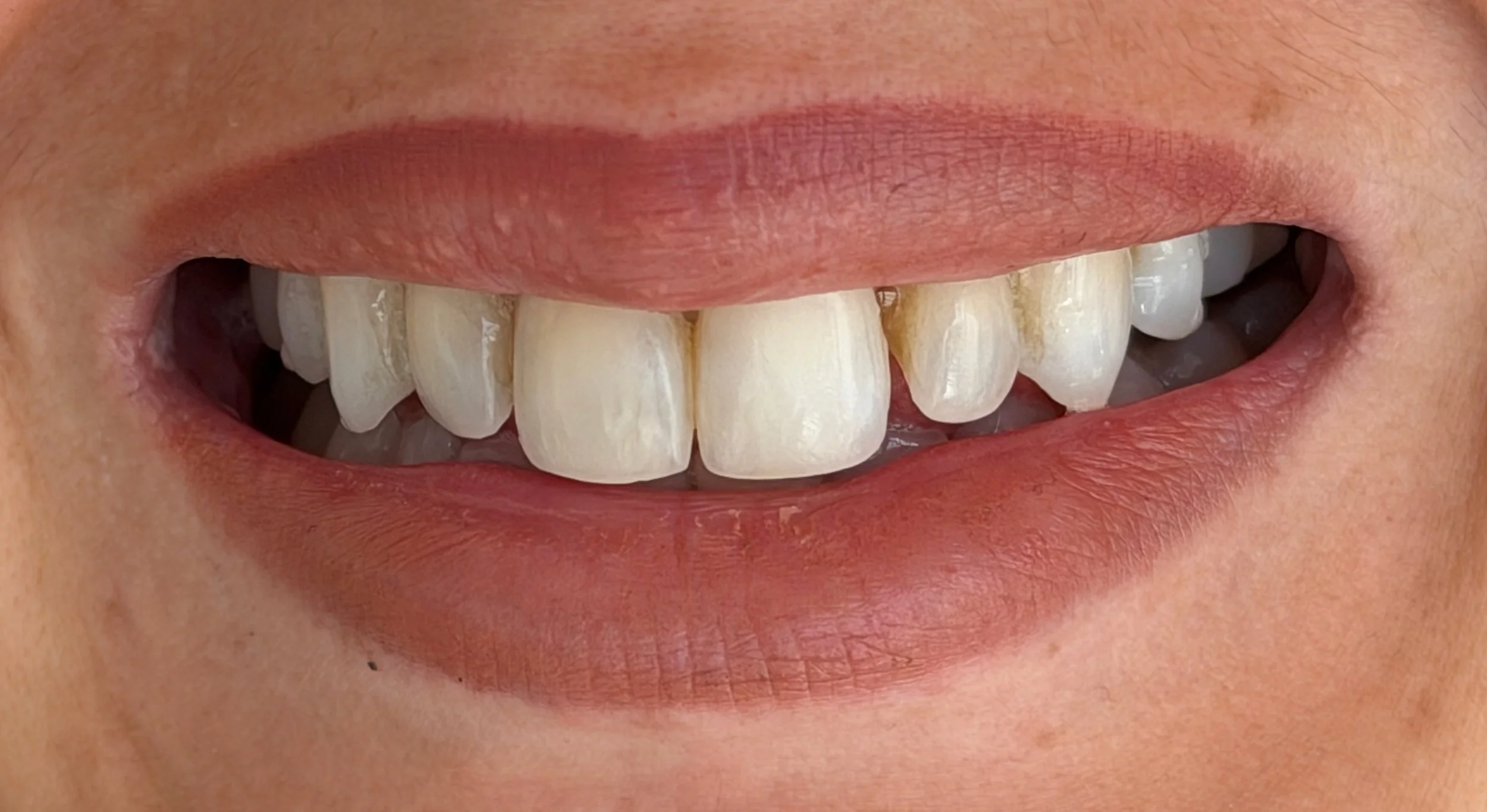
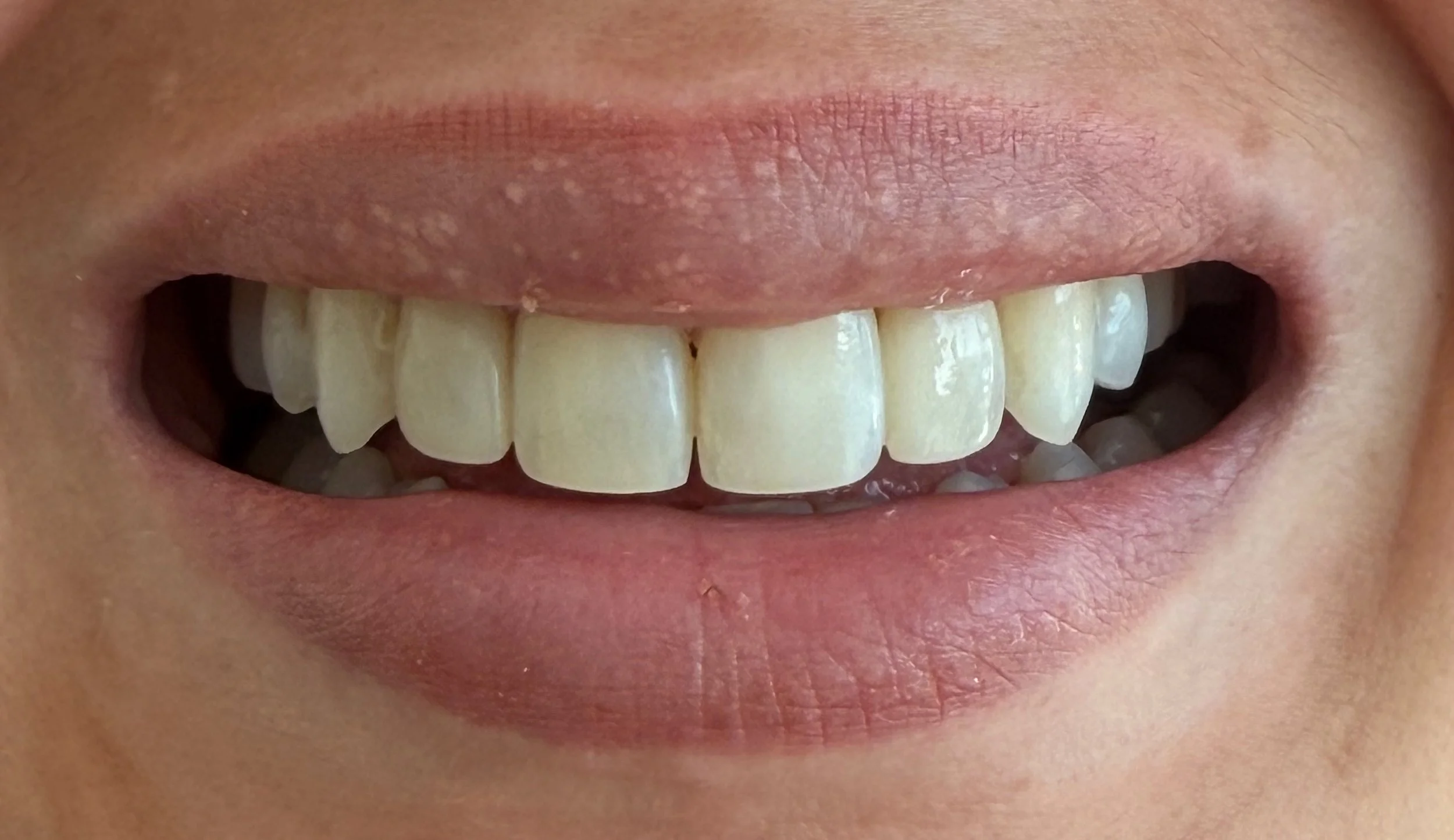
The patient had naturally smaller lateral incisors, leaving the front of the smile uneven in proportion. She had previously had composite bonding across the front four teeth however this had negatively impacted her speech.
Approach
Rather than bonding all four front teeth again, treatment was limited to the two smaller lateral incisors. The central teeth were left natural and lightly polished, helping rebalance the smile without adding unnecessary bulk and ensuring no impact on speech quality,
Treatment shown: Composite Bonding
Teeth treated: 2 lateral incisors
Treatment by: Dr Aimee Dunne, The Bonding Studio
After photo taken: 2 weeks after treatment
Fluorosis
Before

After
Before
After
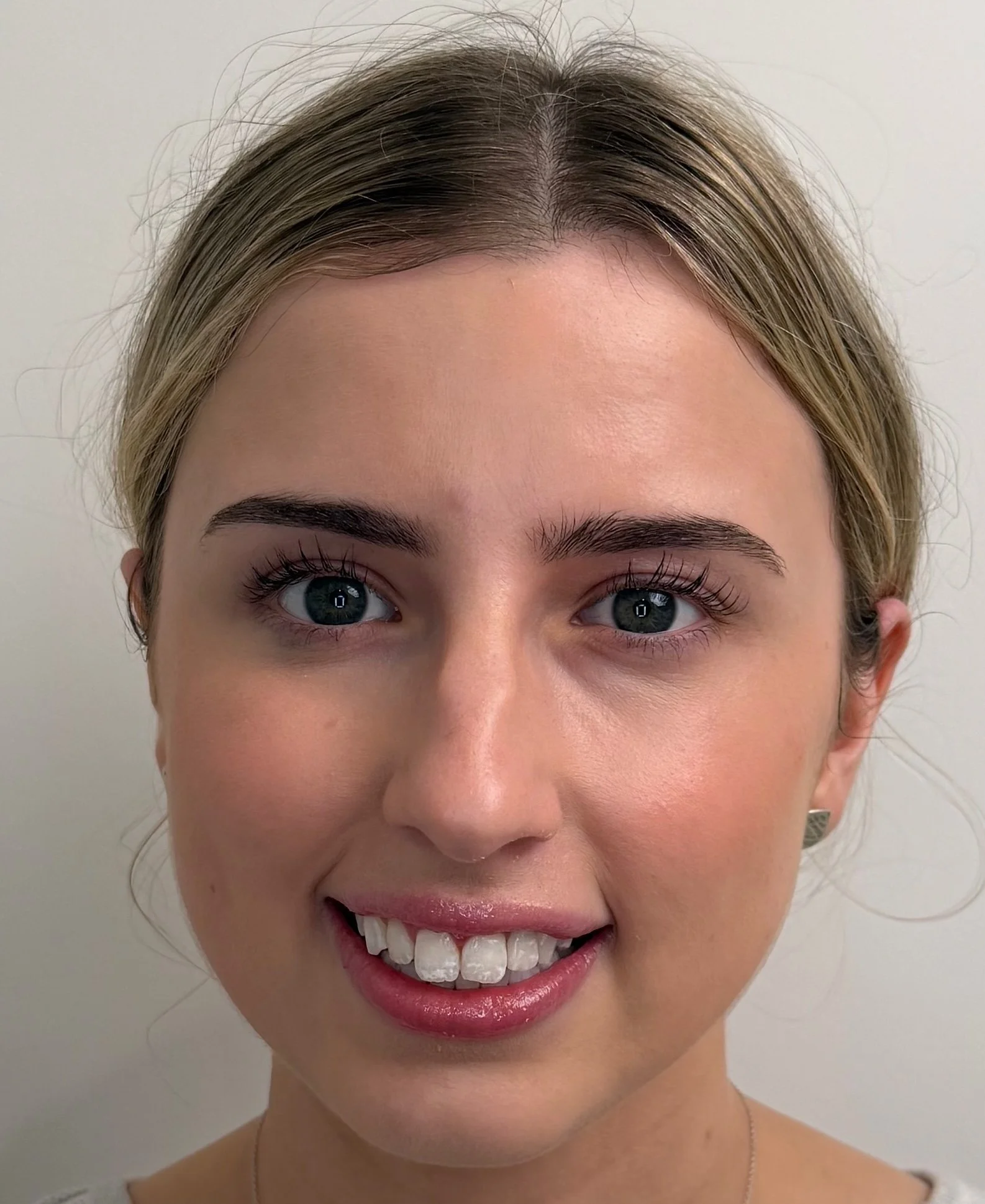
Starting Point
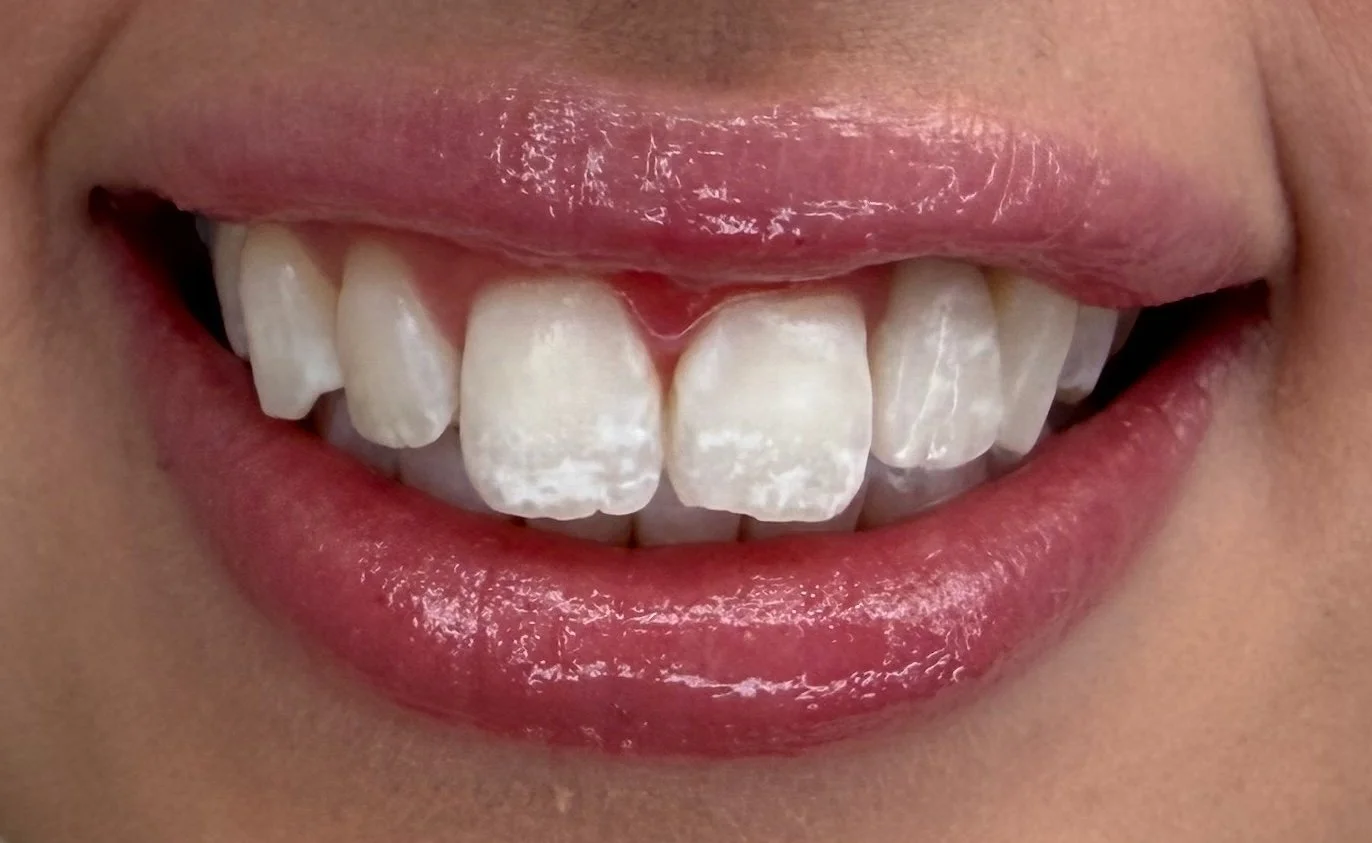
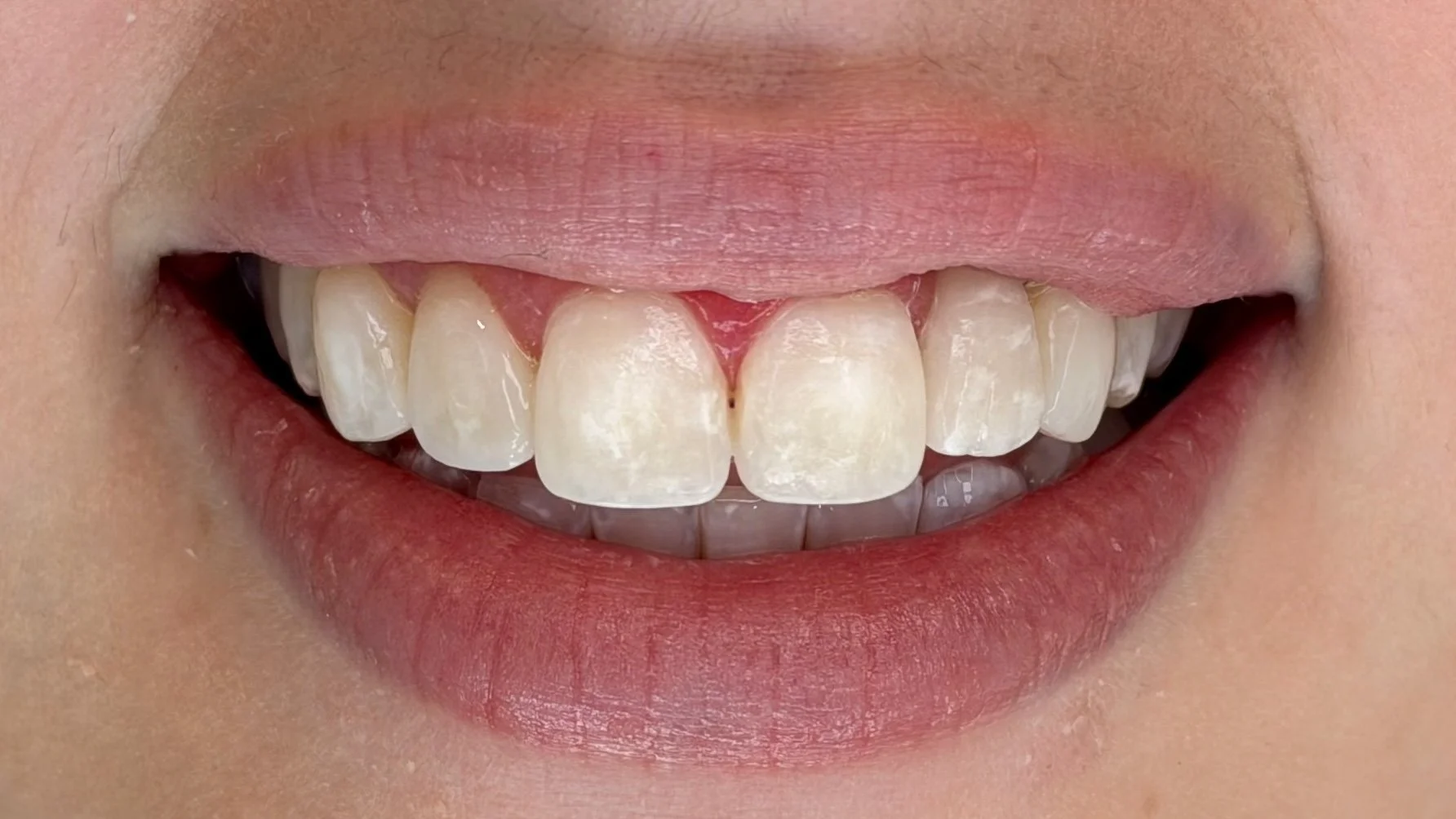
The patient presented with visible fluorosis affecting the appearance of the upper front teeth. There was also an existing implant crown on the upper left side, which meant any changes needed to work around a tooth that could not be altered.
Approach
The fluorosis was treated first, followed by conservative composite bonding and light polishing to improve shape, length and symmetry. The treatment was planned to blend naturally with the existing implant crown and maintain a cohesive smile.
Treatment shown: Composite Bonding
Teeth treated: 5 upper front teeth
Treatment by: Dr Aimee Dunne, The Bonding Studio
After photo taken: 7 weeks after treatment
After Orthodontics
Before

After
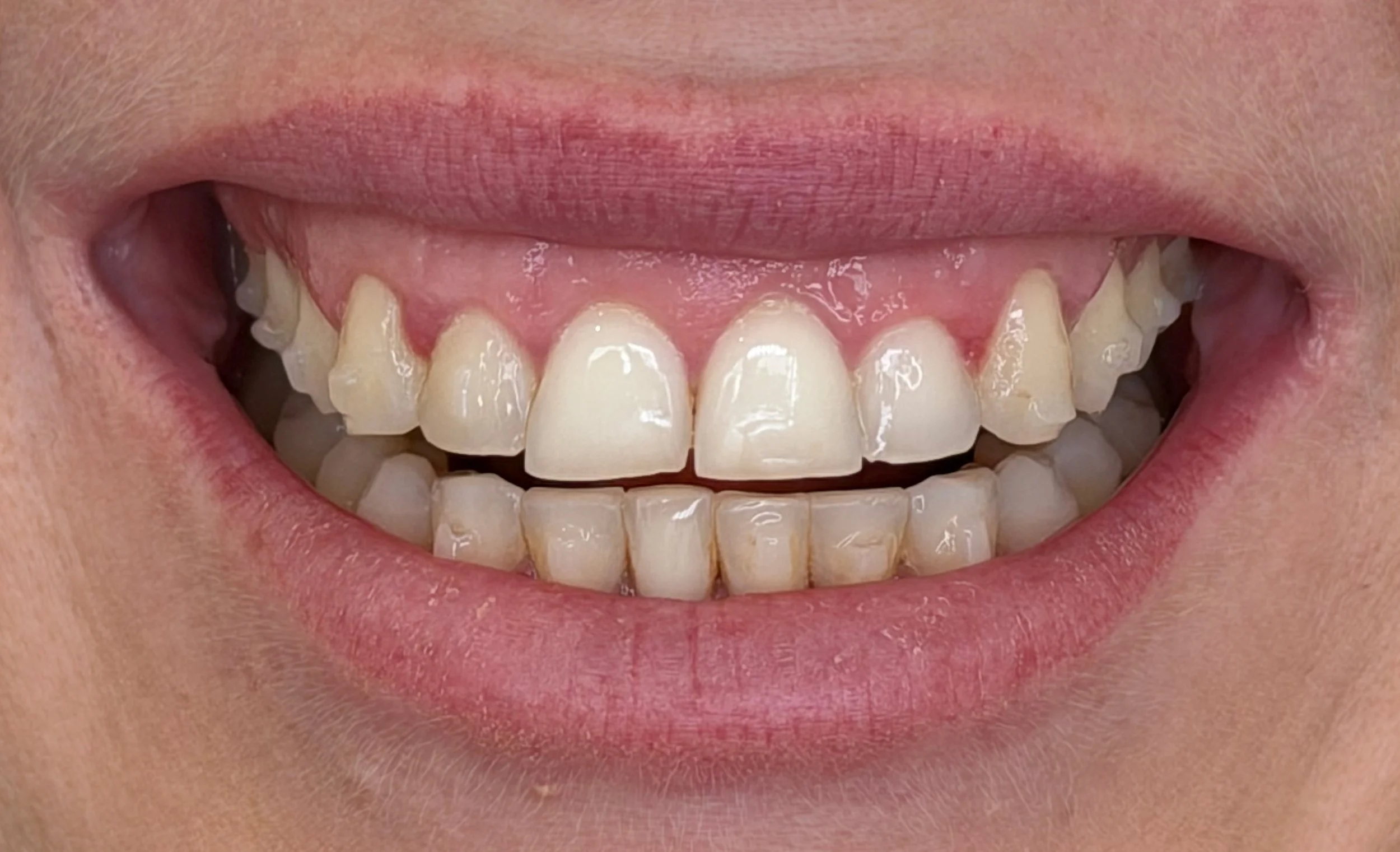
Before
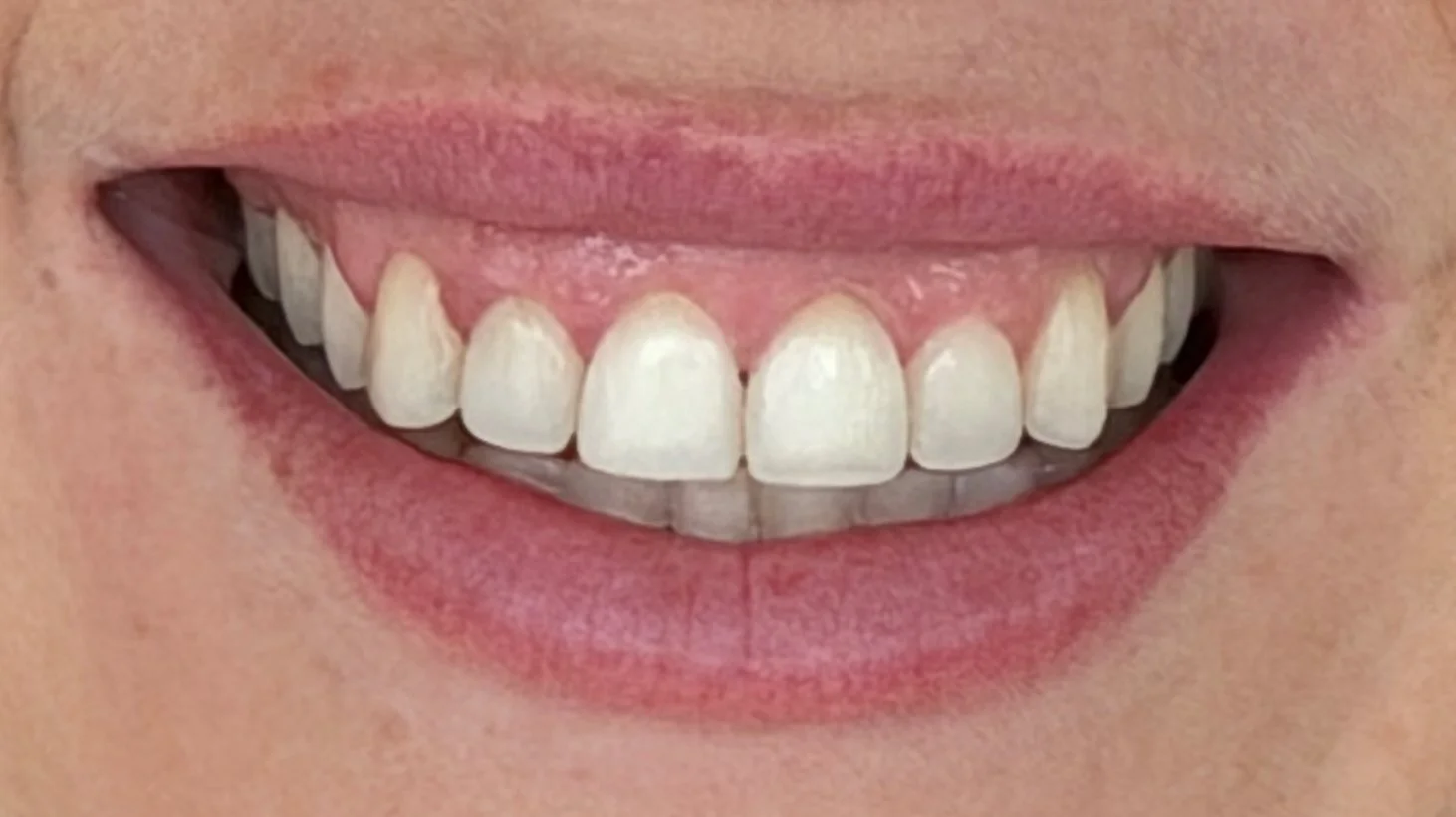
After
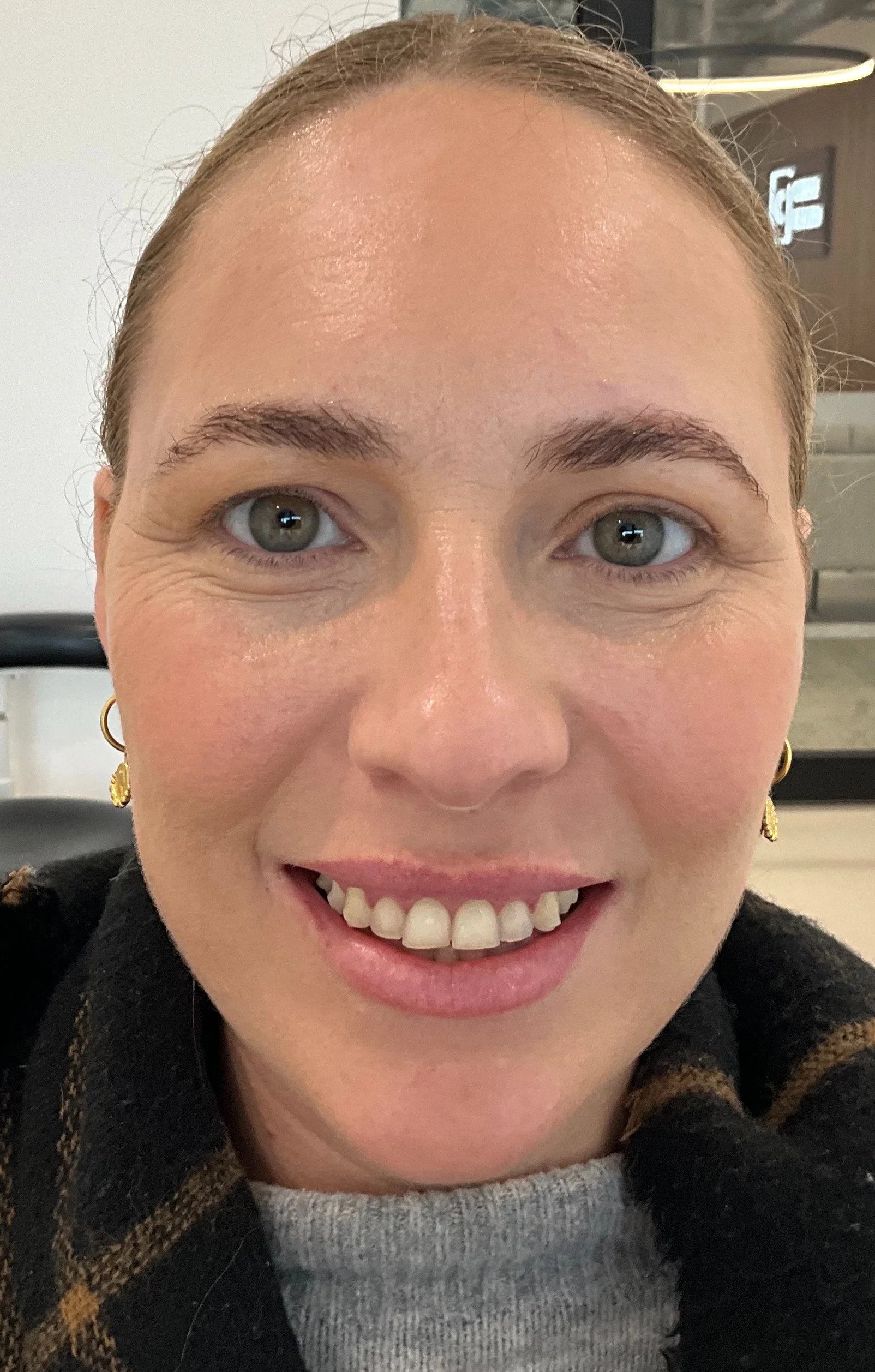
Starting Point
This patient had completed orthodontic treatment and the teeth were well positioned, but there were still differences in shape, width and symmetry across the smile, along with some minor chipping and translucency.
Approach
Composite bonding was used to refine the shape and proportions of the upper front teeth while working with the final orthodontic positions. The treatment was planned alongside the orthodontist so the result remained compatible with the patient’s bite and long-term retention.
Treatment shown: Composite Bonding
Teeth treated: 6 upper front teeth
Treatment by: Dr Aimee Dunne, The Bonding Studio
After photo taken: 5 weeks after treatment
Worn Edges

Before
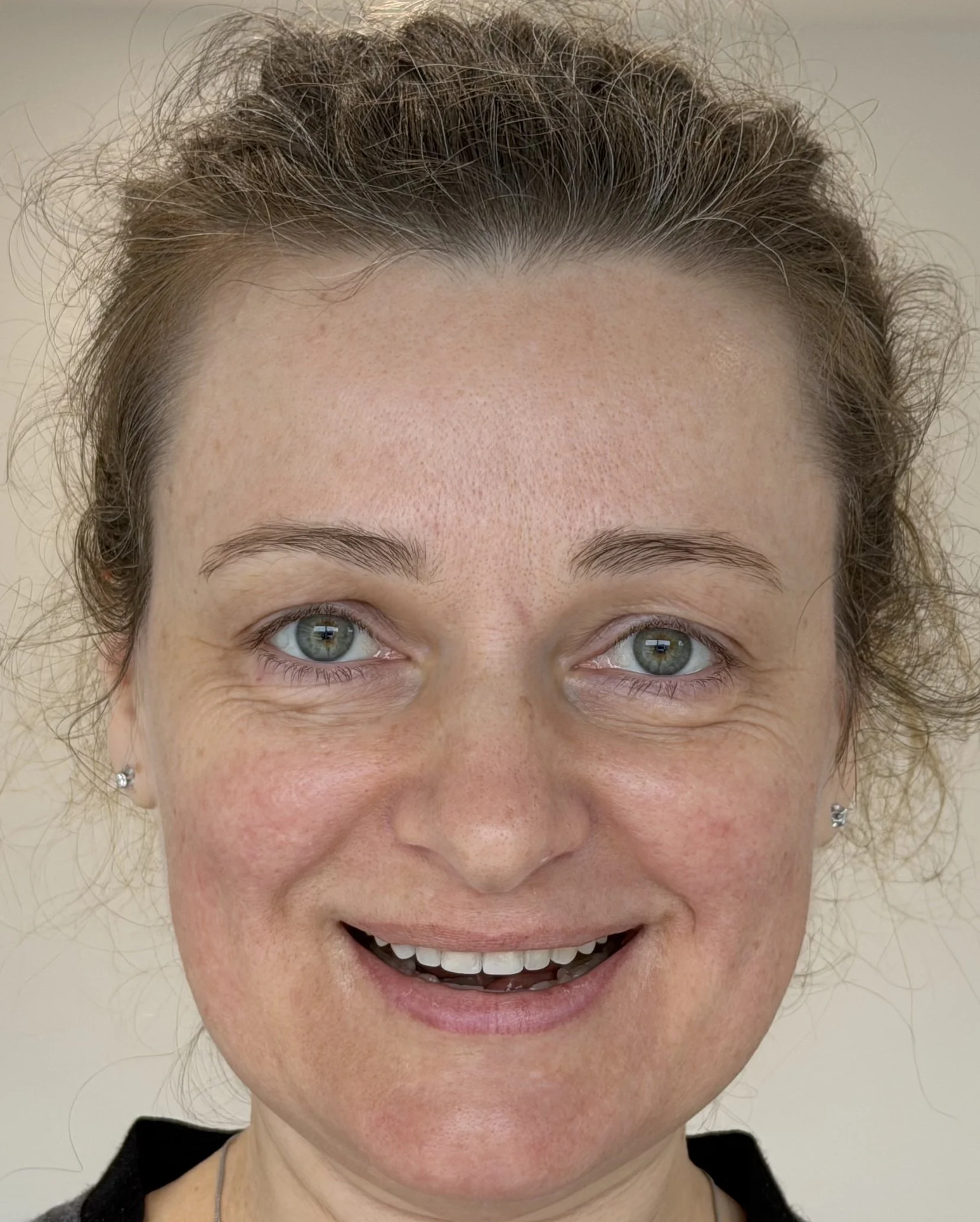
After
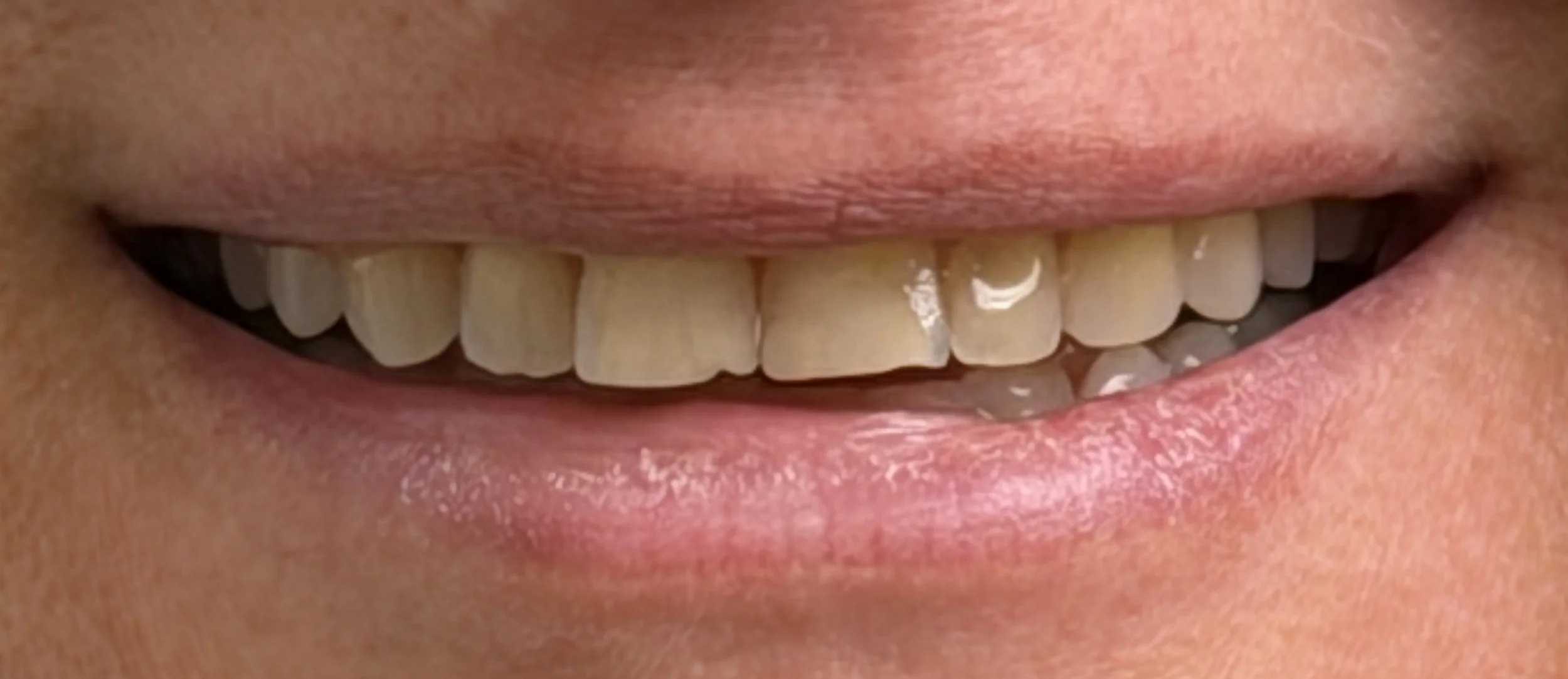
Before
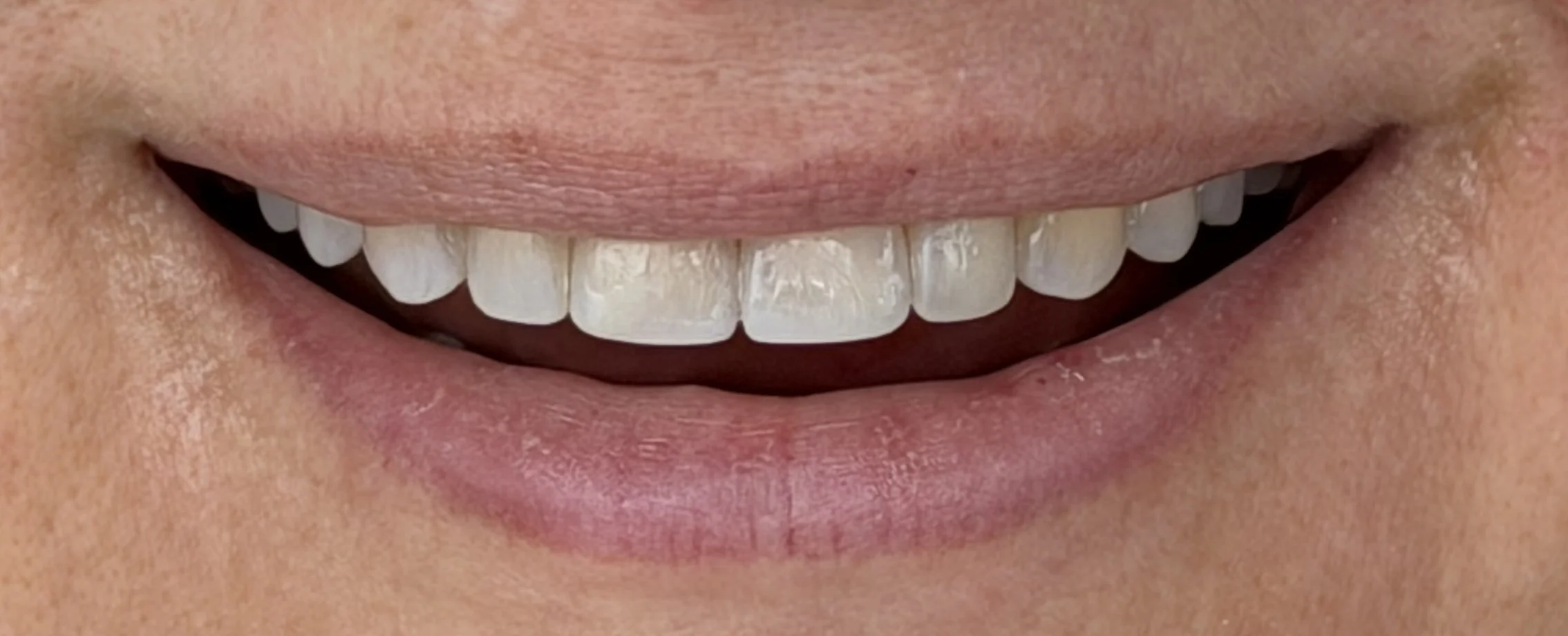
After
Starting Point
The patient’s main concerns were worn, uneven front edges and discolouration in older composite bonding. The existing tooth lengths also meant less tooth was showing when smiling and speaking.
Approach
Treatment was kept focused to the front five teeth, using the natural canine on one side as a guide for shape and proportion. Composite bonding was used to restore length, improve the smile line and create more visible tooth display while keeping the result balanced and natural.
Treatment shown: Composite Bonding
Teeth treated: 5 upper front teeth
Treatment by: Dr Aimee Dunne, The Bonding Studio
After photo taken: 1 week after treatment
Asymmetry & Chips
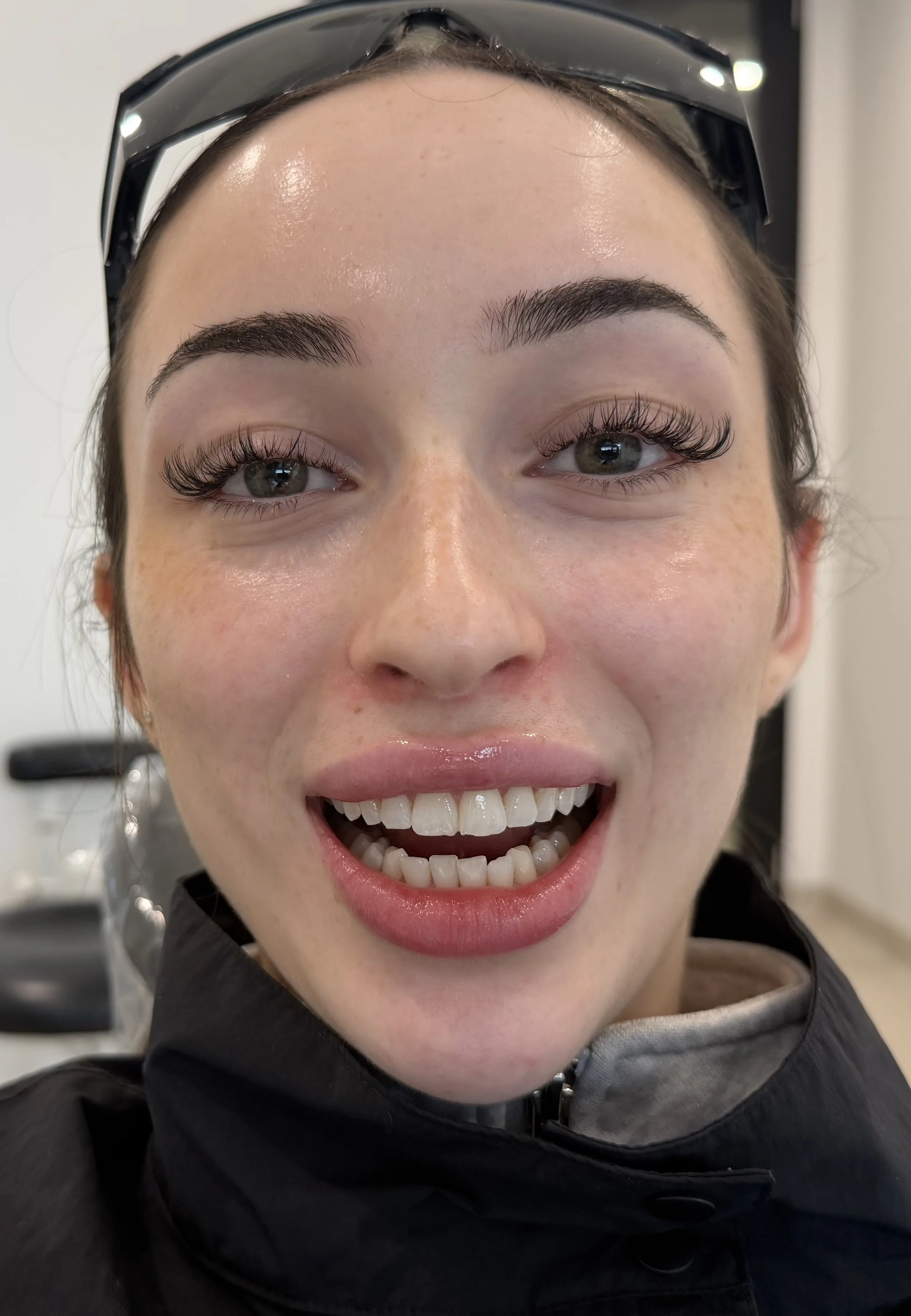
Before
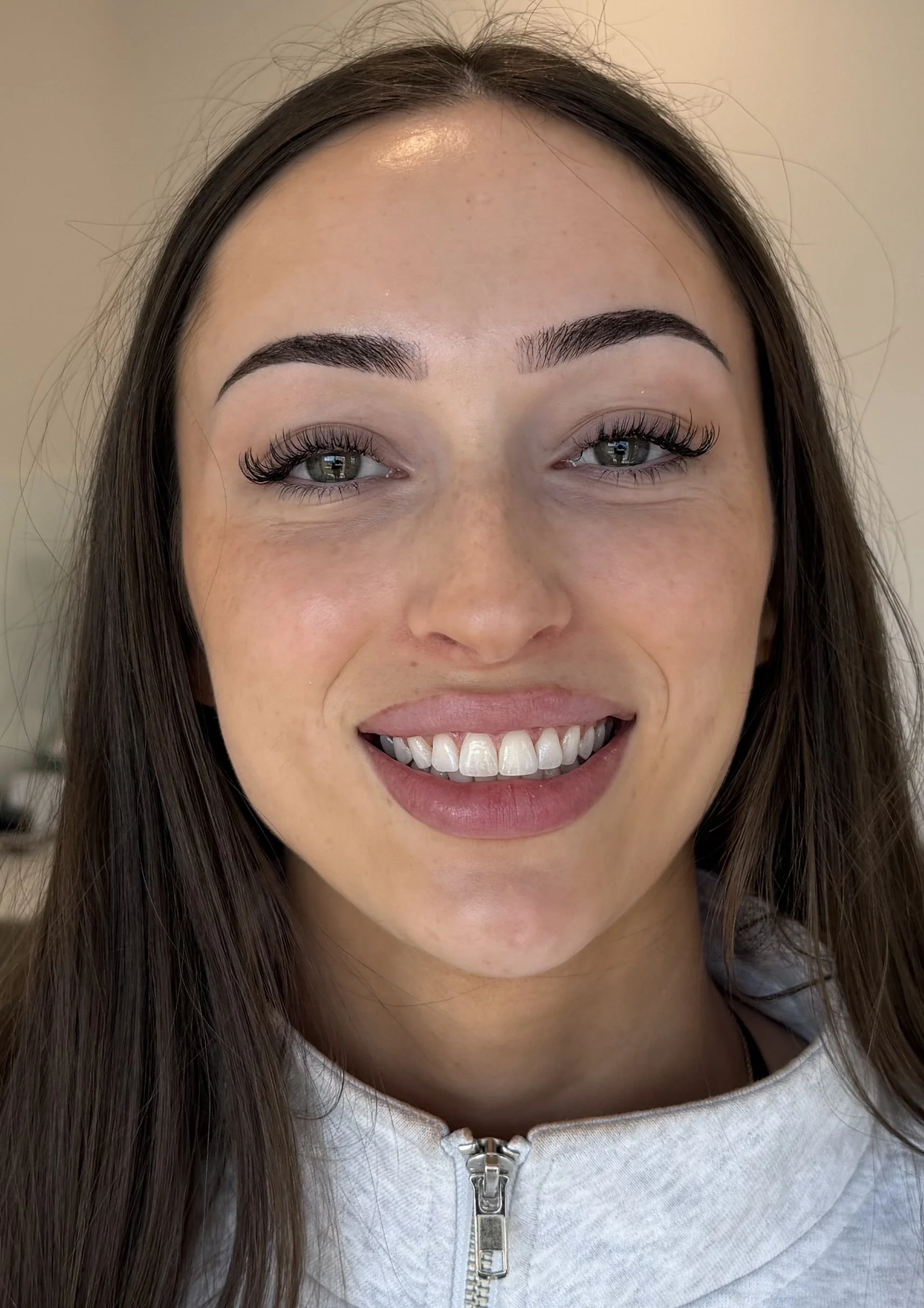
After
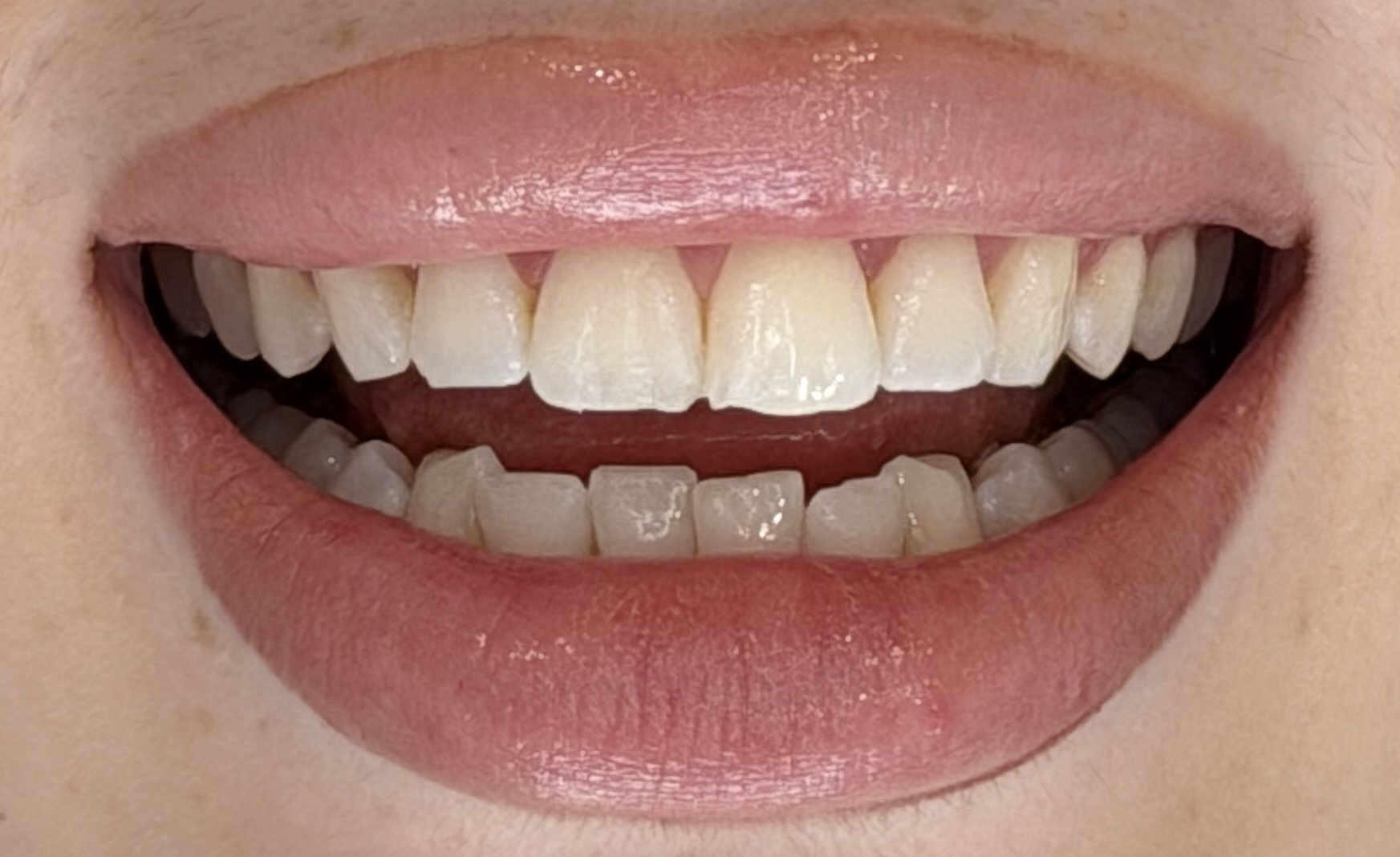
Before
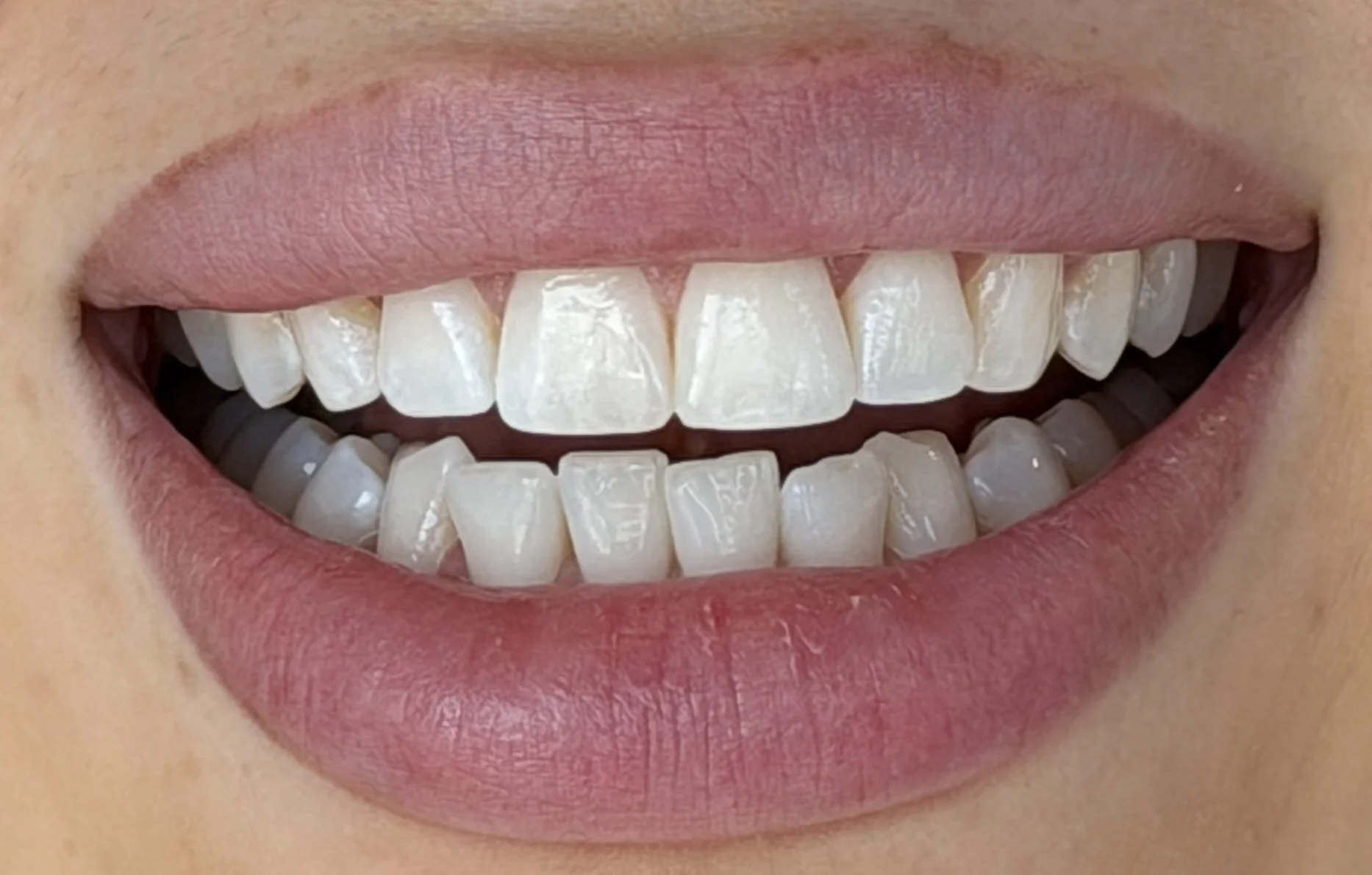
After
Starting Point
The patient’s main concerns were small chips through the front teeth and a slight difference in length from one side of the smile to the other, creating visible asymmetry. The natural teeth otherwise had good shape and proportions.
Approach
Rather than bonding several front teeth, composite was used selectively to repair and reshape one tooth, with careful polishing of the surrounding teeth to improve balance across the smile. This was a case where a small amount of treatment was enough to achieve the desired refinement.
Treatment shown: Composite Bonding + polishing
Teeth treated: 1 front tooth
Treatment by: Dr Aimee Dunne, The Bonding Studio
After photo taken: 3 weeks after treatment
After Orthodontics - Shape Refinement
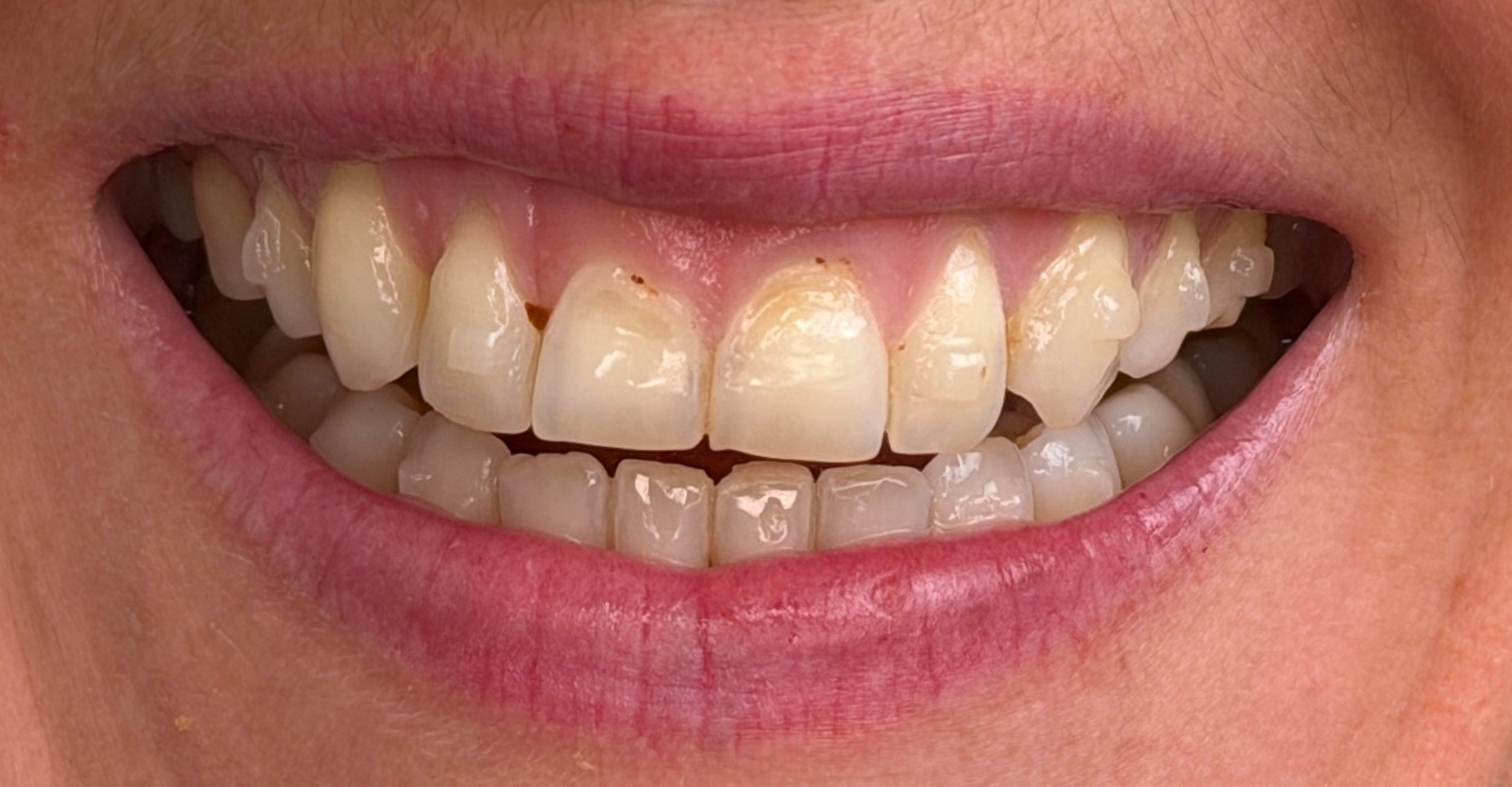
Before
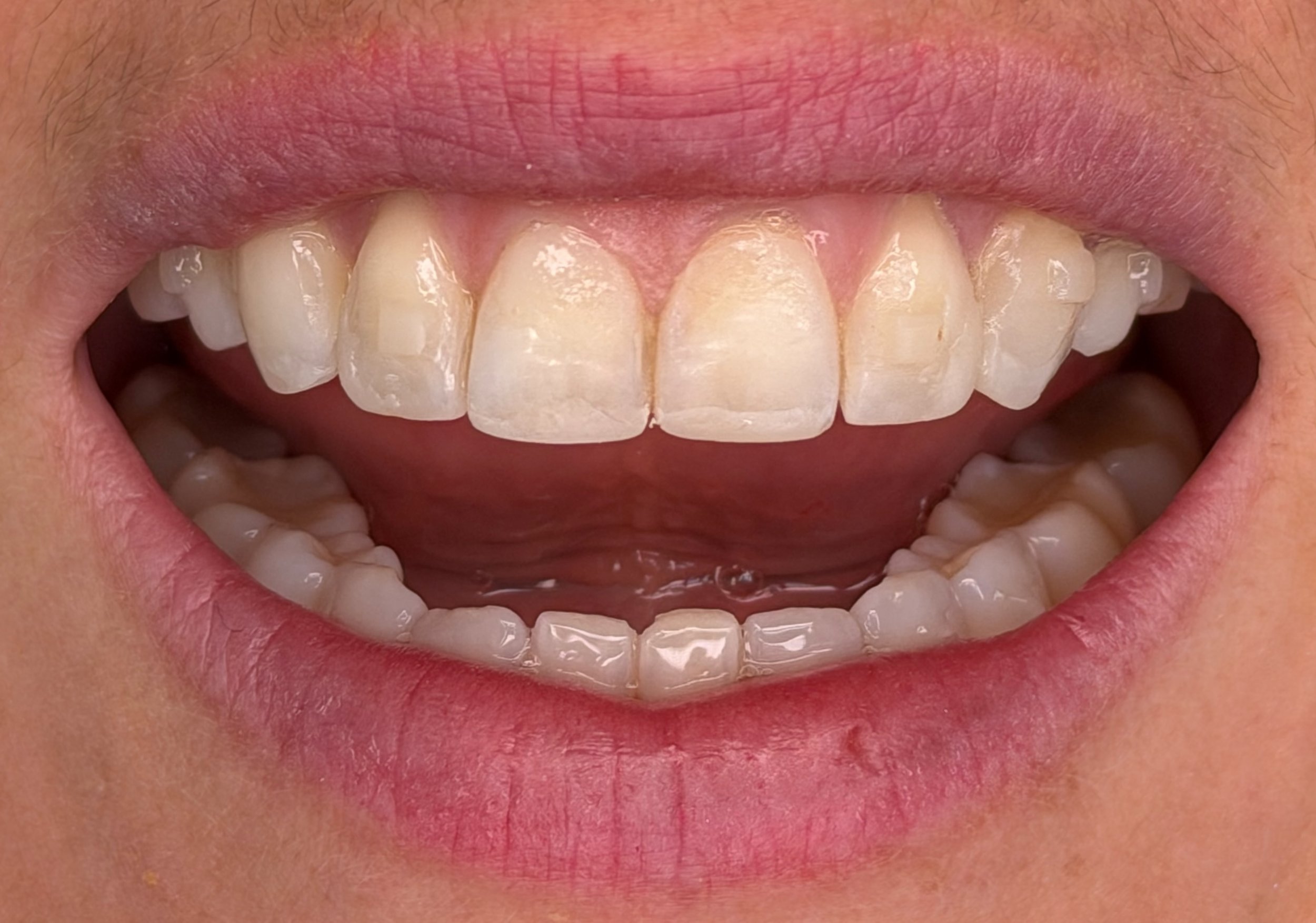
Mock-up
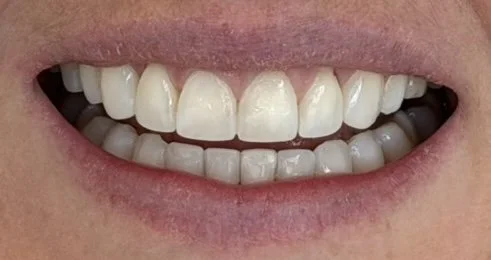
After
Starting Point
This patient had completed orthodontic treatment and the teeth were well aligned, but there were still natural differences in tooth shape and proportion across the smile. The main issue was the appearance of the teeth themselves rather than their position.
Approach
Composite bonding was used to refine the shape and proportions of the upper front teeth while preserving healthy tooth structure. The treatment was planned to work with the patient’s existing bite and orthodontic result, with the aim of creating a softer, more symmetrical smile without compromising function.
Treatment shown: Composite Bonding
Teeth treated: 6 upper teeth, 3 lower teeth
Treatment by: Dr Aimee Dunne, The Bonding Studio
After photo taken: 1 week after treatment
Considering composite bonding?
Not sure whether composite bonding is right for you? Send us a question and we’ll be happy to help.